
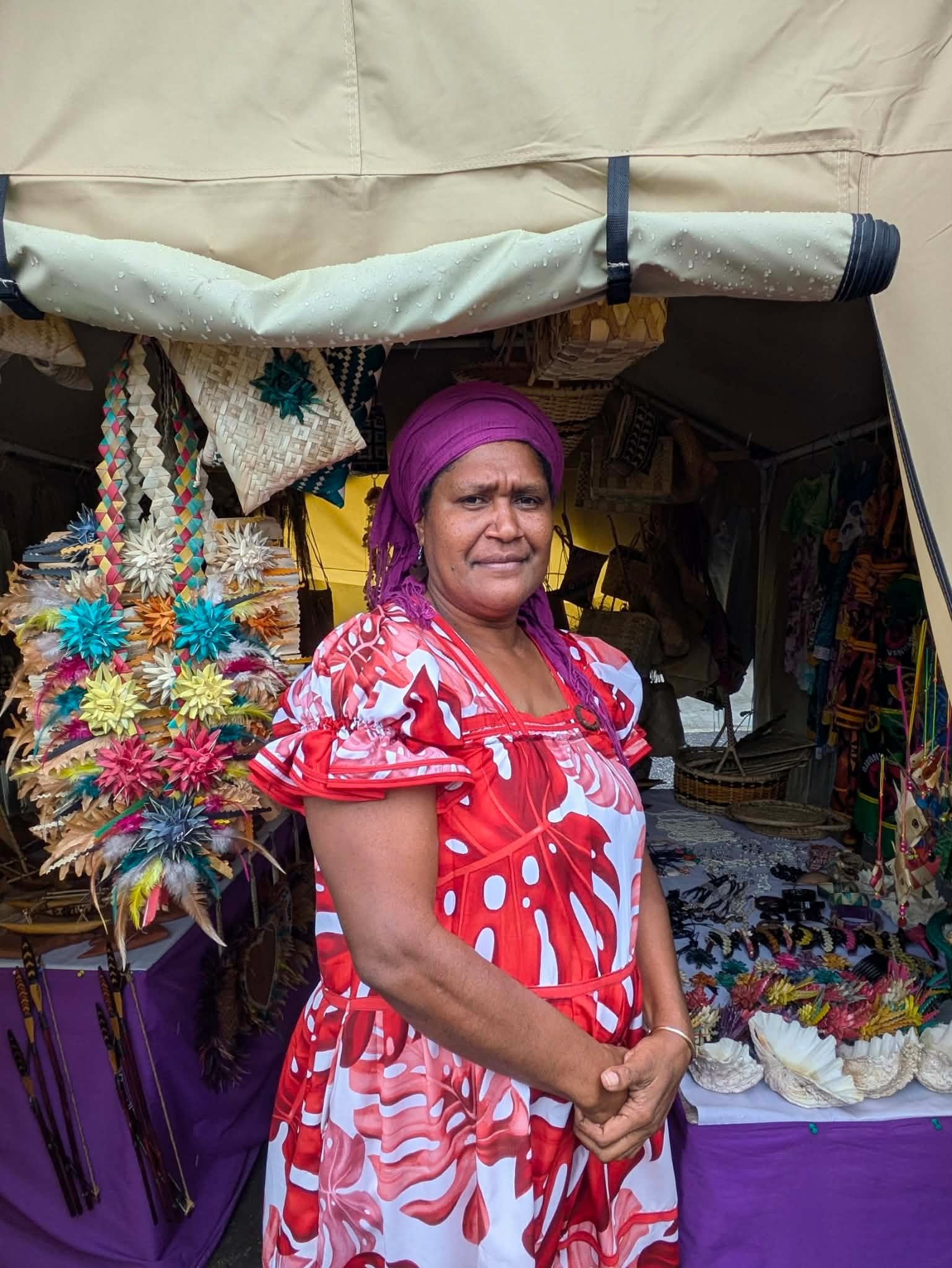
Handicraft Mamas of Vanuatu
Tevala Diana Morris Sam’s Story
Interview by Stephanie Eleonore Pflugfelder
Editing by Sonia Reuben
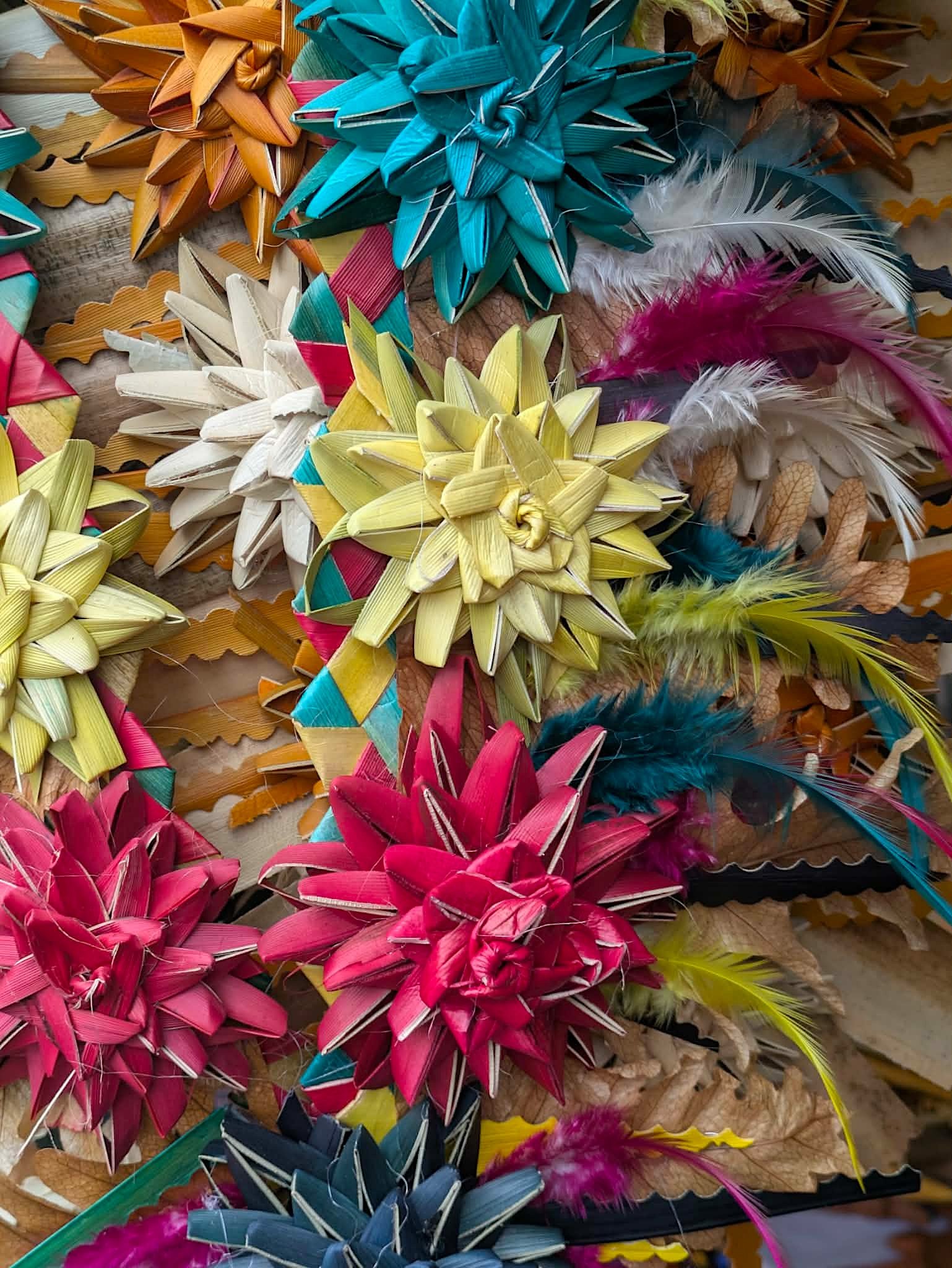
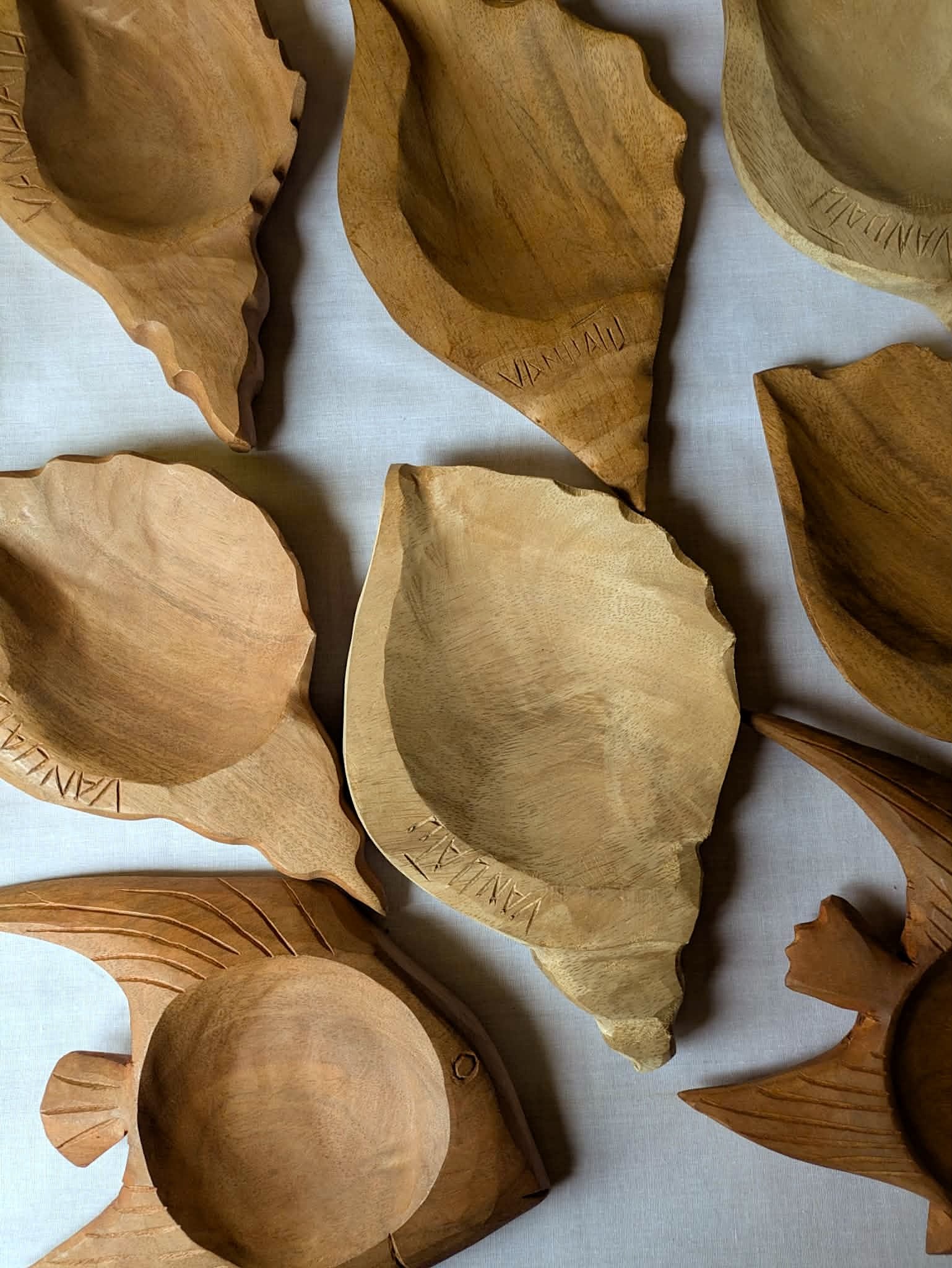
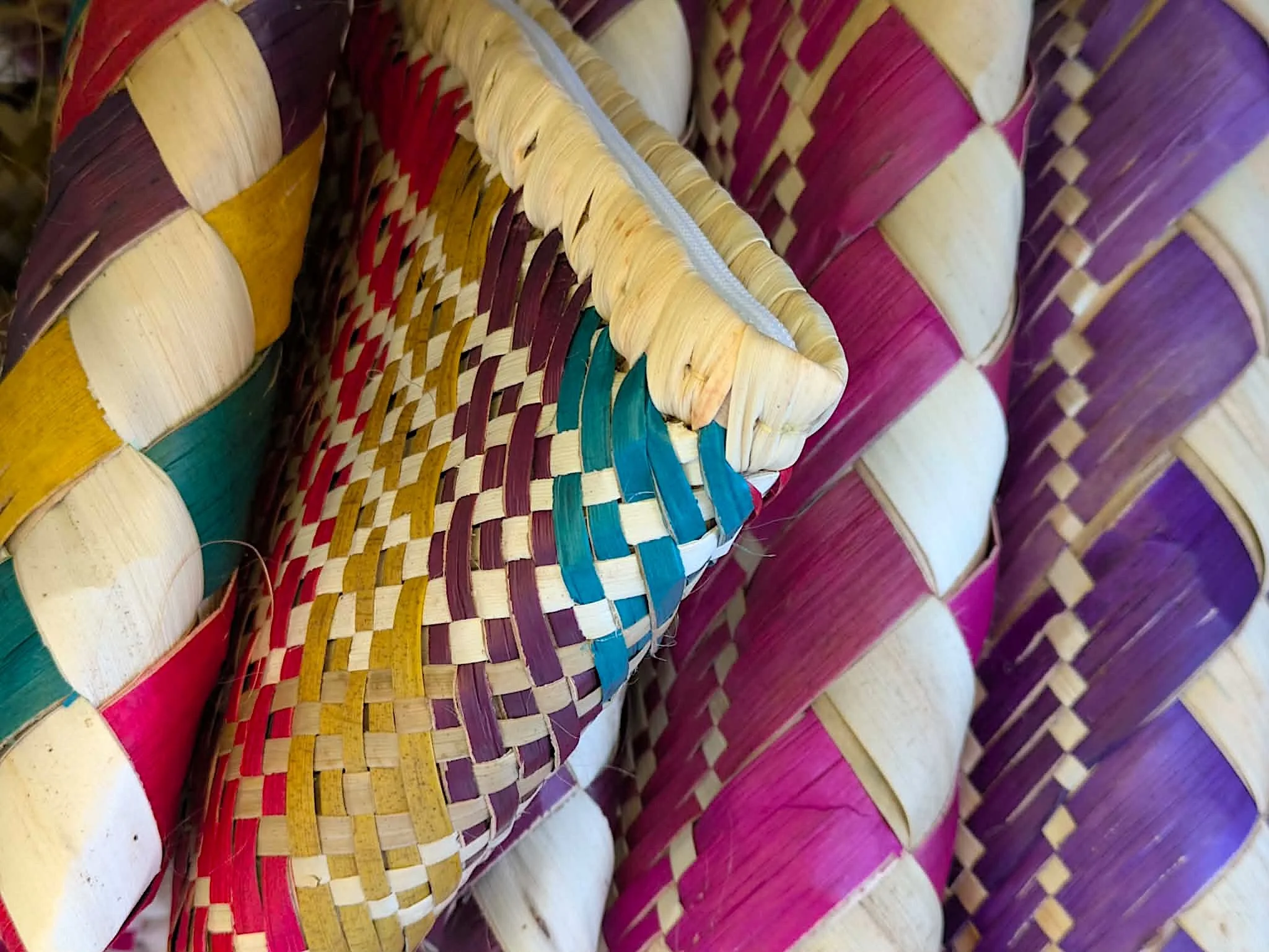
Handicrafts form a vital part of Vanuatu’s local economy.
When exploring the central business district of Port Vila, a visit to the Mama’s Handicraft Market has local artisans showcasing beautiful products, unique to our country, and skillfully crafted by individuals using techniques passed down through generation and story.
One artisan, Tevala Diana Morris Sam, brings us into her world and her journey as a local vendor.
Originally from Tongoa, Tevala shares her story of what influenced her to become an entrepreneur, the history and culture that inspires her handicrafts, and the wisdom she wishes to share with future generations of Ni-Vanuatu to continue practicing traditional art forms and to create opportunities for building income.
Interview
How did you begin your business?
When I arrived in town, I started working various jobs - at small shops, as a housekeeper, and at hotels. Over time, I realized that I wanted to try working for myself instead of for someone else.
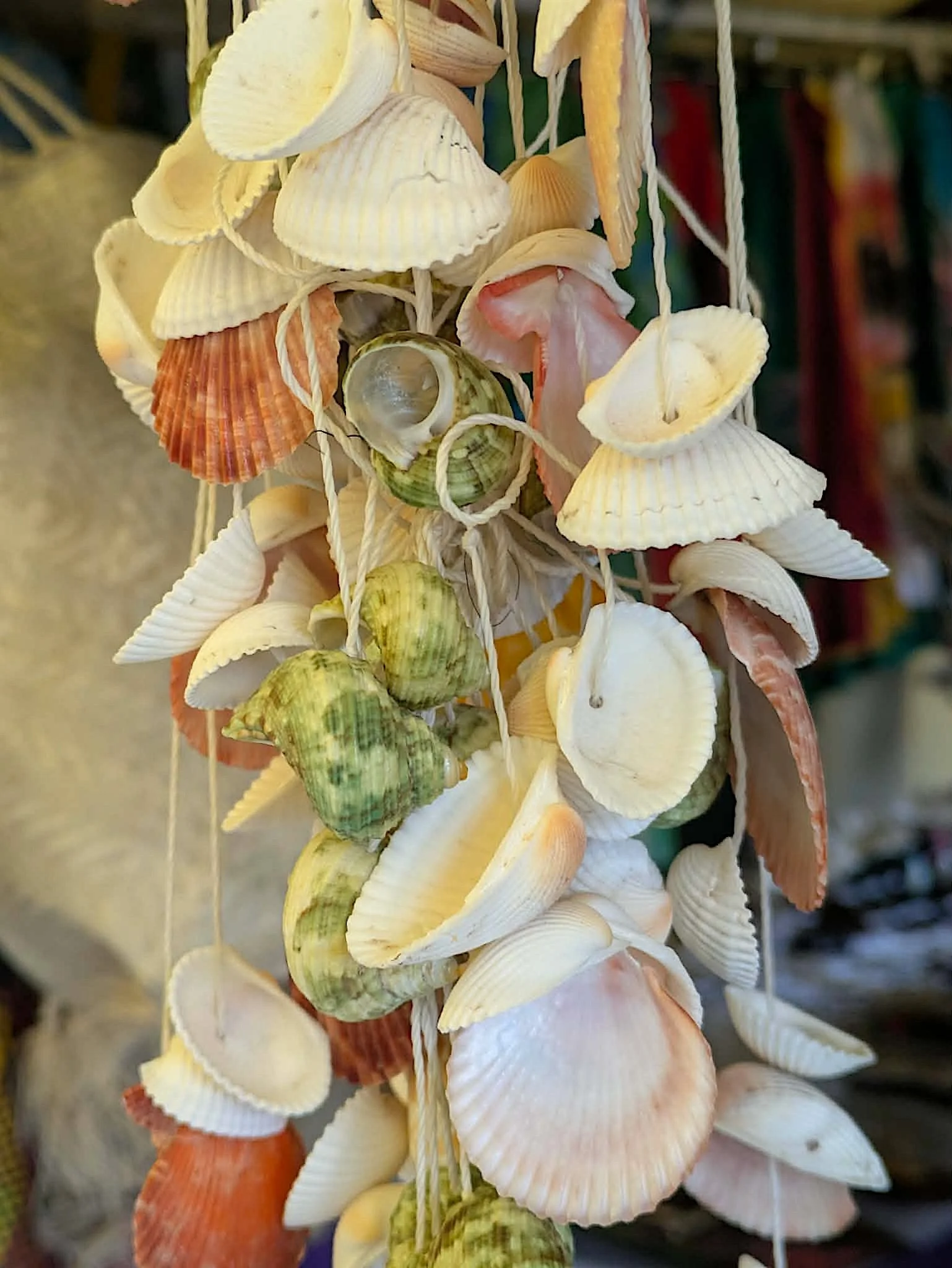
While working at the resort, I would go for walks on the beach and I would notice and pick up shells that I found. When collecting them, I realized that I could create something with them, and that this could be a way for me to make an income for myself using my own hands.
I would collect shells and use them to create handicrafts. At the time, I would give them to friends and family - I was not thinking about making money, and just wanted to give my handicrafts away as gifts.
Now I realize that my skills that I developed have become a very useful part of my life today. I am always looking for natural items - shells, stones, seeds - and picking them up to collect and make handicrafts.
What inspires you to make handicrafts?
When I look at nature, it inspires me to design my store to have a similar look. I want my handicrafts to resemble trees, fruits, and the animals of Vanuatu.
Nature inspires me to arrange my store in a particular way, and I know that if I use that inspiration, people will walk by and be drawn in. I know that if I like the way I design my store, that others will like it as well.
I tell my customers that the work I do is not just for money. Money is important and of course it helps, but my mindset is that if you have a particular vision that you wish to bring to life, and you accomplish it, that is more important than money.
Something that has blessed my life is when people visit my store and buy my products, and tell me that they like them. It brings me a sense of peace knowing that something that I made had blessed someone else.
That is my inspiration and my mindset.
What kind of materials do you use and what is the main handicraft that you make?
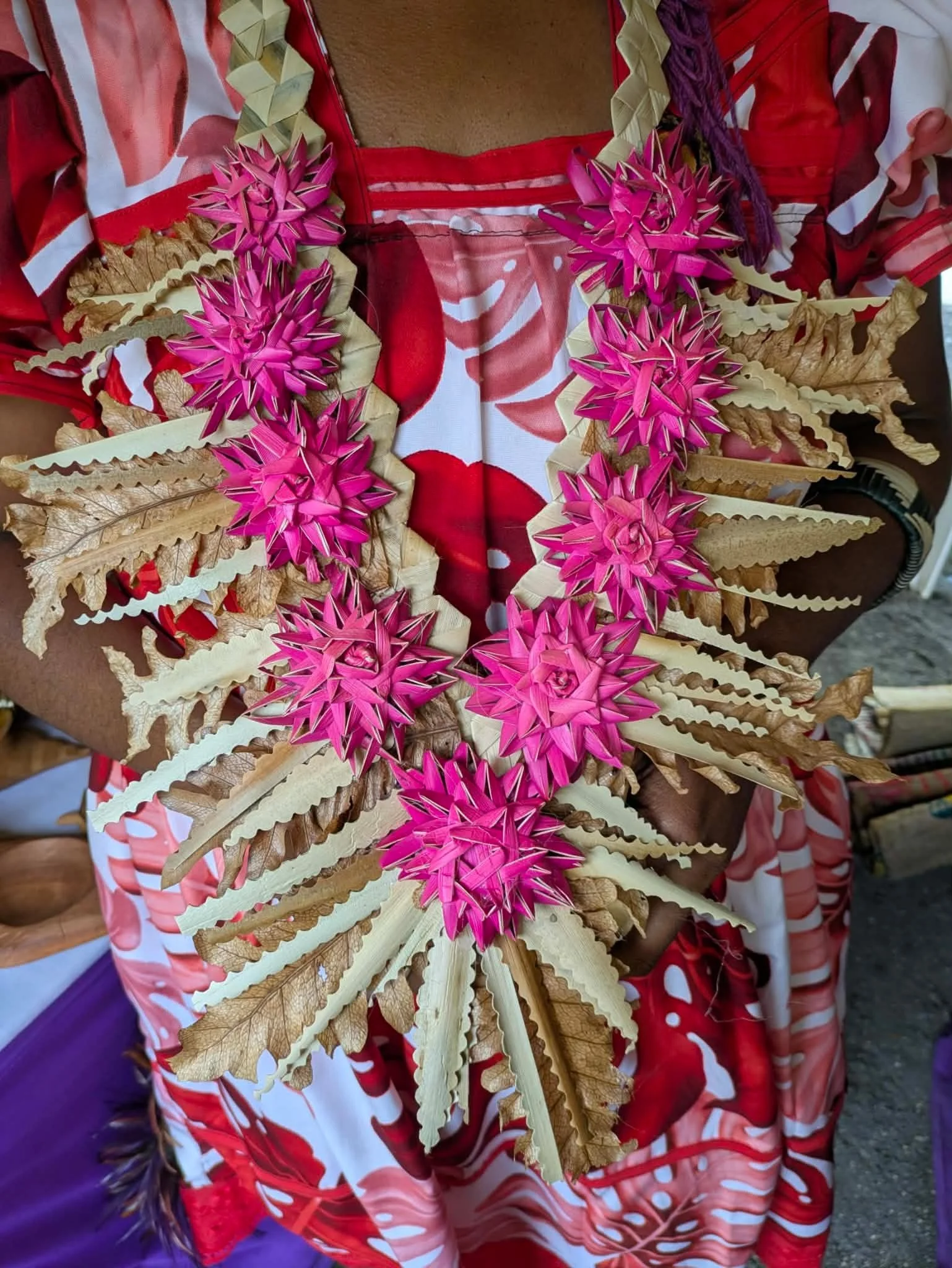
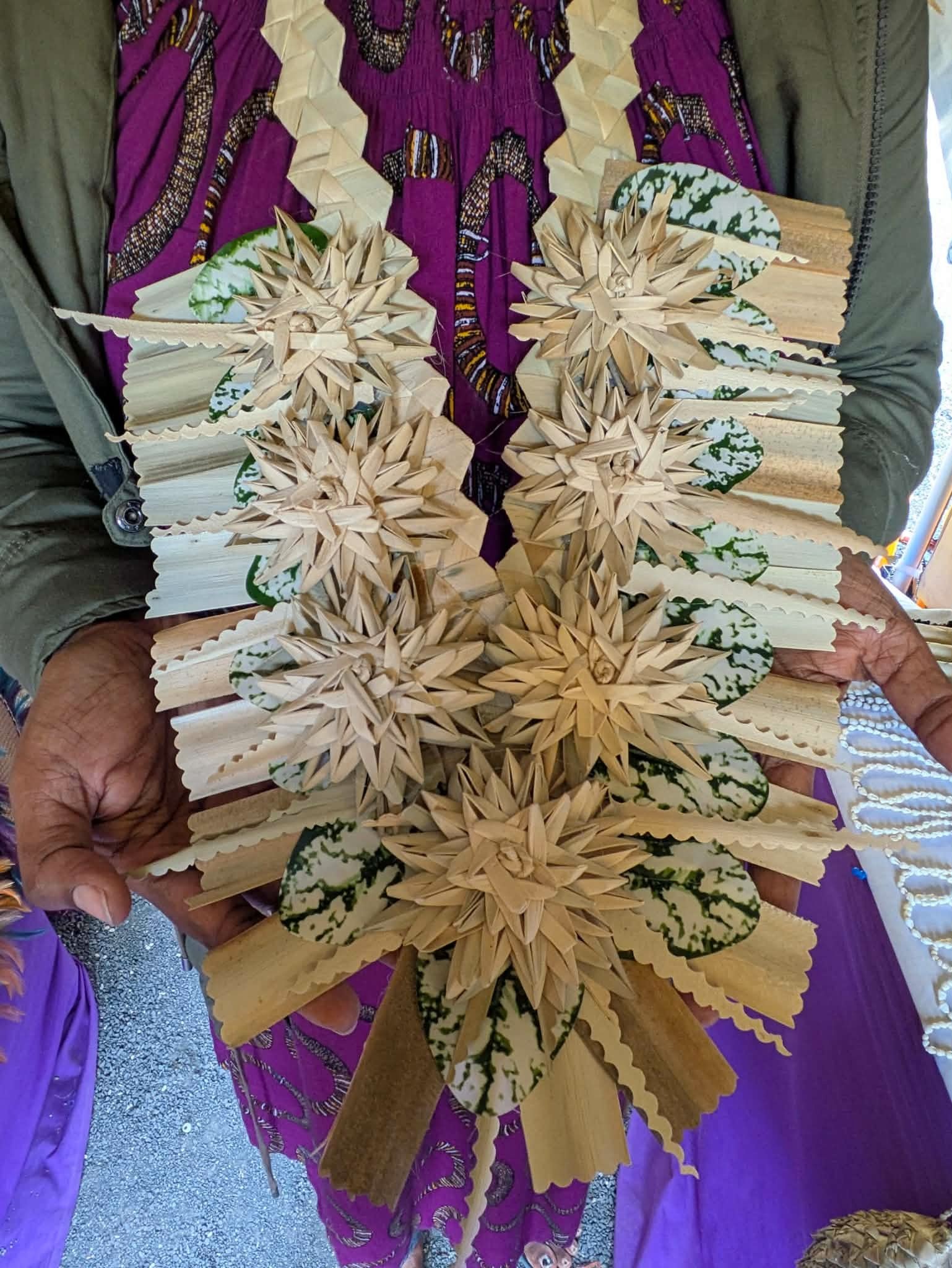
The main handicraft that I design are leis. I make them using my own unique style.
I don’t like to copy other people’s style of making leis. I like to use my own technique because I have realized that when I use my own design, I enjoy making them every time I make them. If I use another person’s design, I find that I don’t enjoy making them as much.
I also craft flowers to add value to other handicrafts that I buy from other handicraft makers. If I add value and add my own style to an item, when customers see them, they know that the product is one of mine.
What kind of materials do you use?
I use a lot of Pandanus and Hibiscus. I use the inner part of the Hibiscus plant which has a leafy part, and I use that to craft attachments to add value to other handicrafts.
Do you have family members that are also artisans?
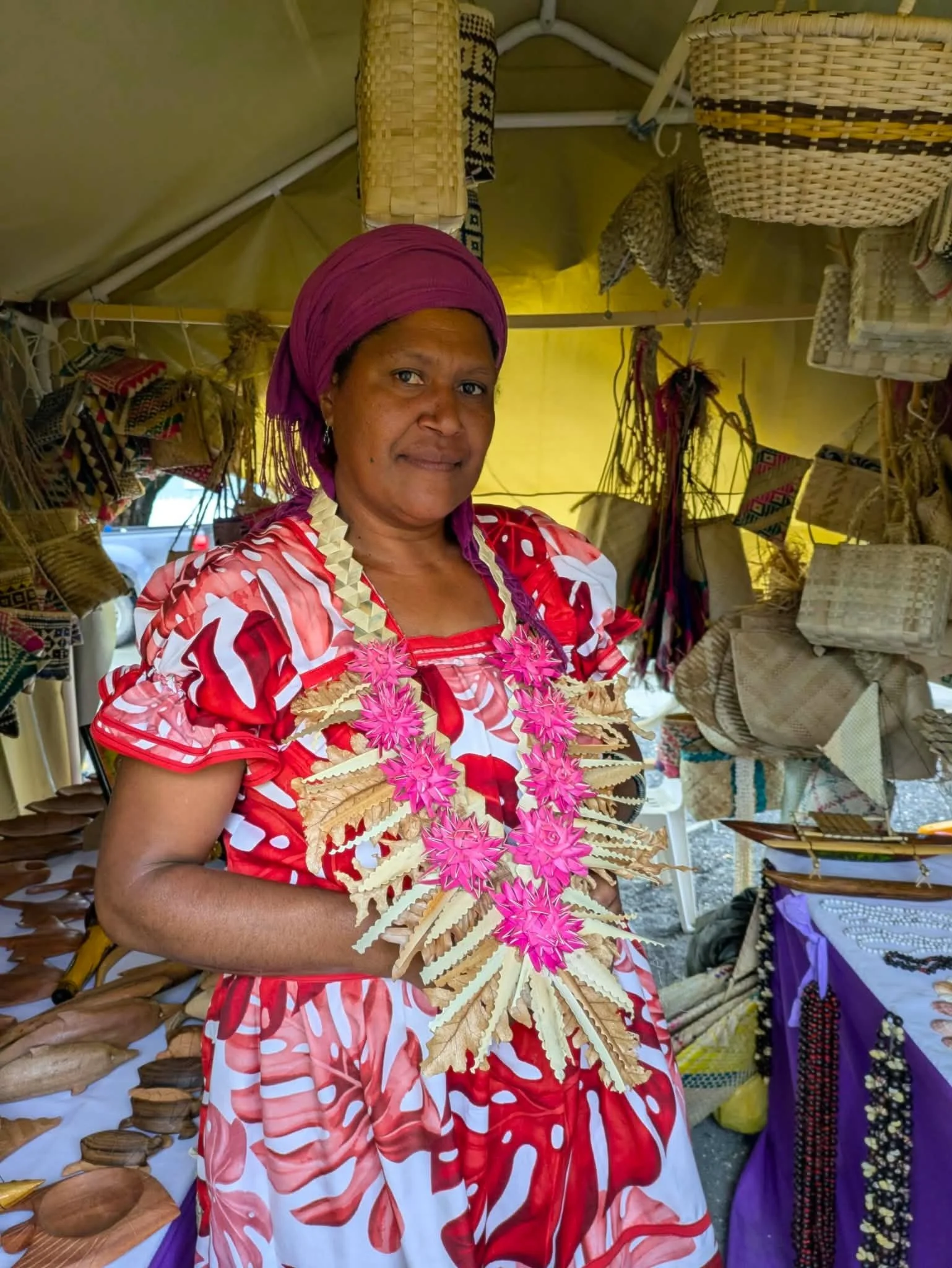
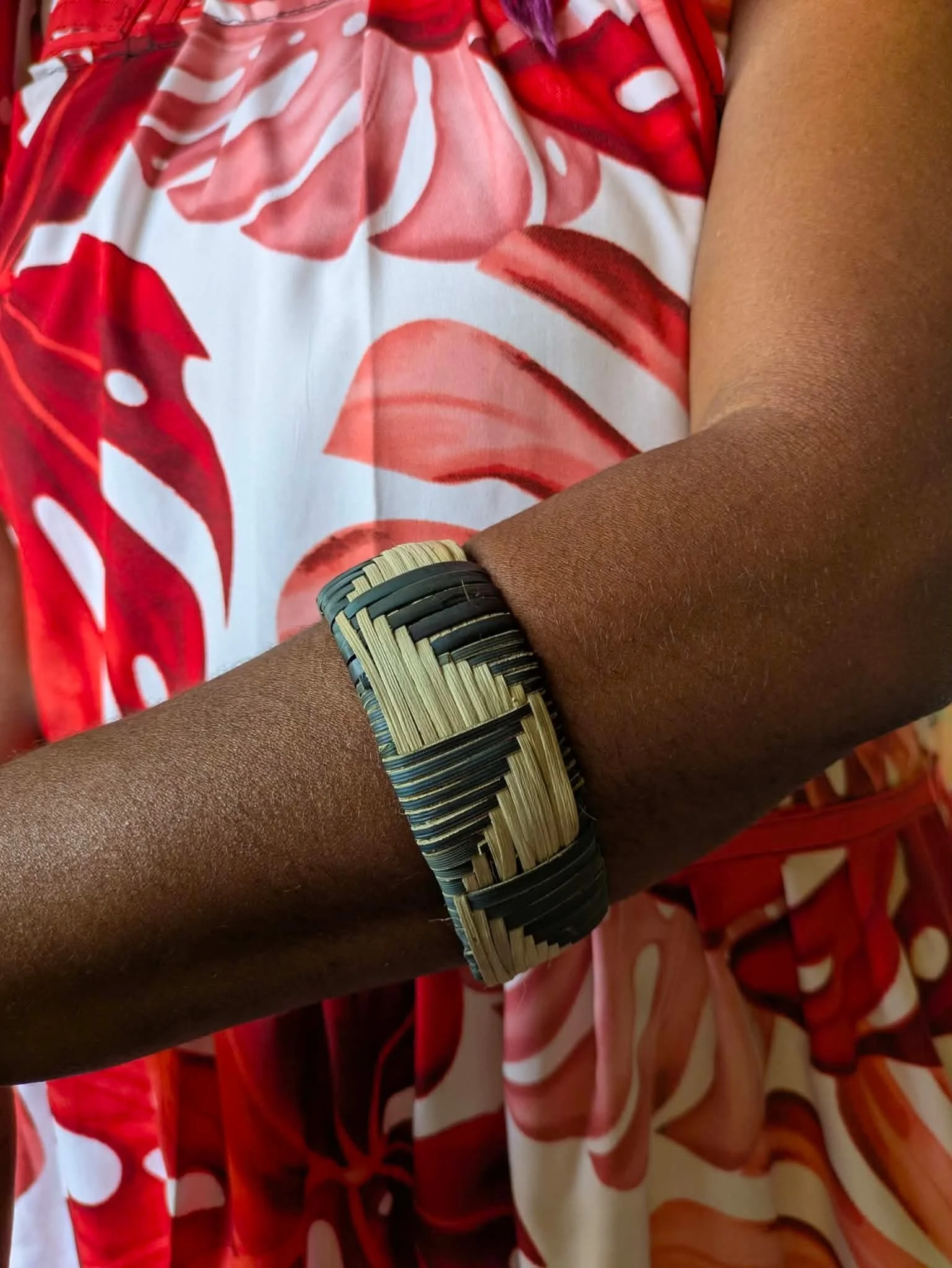
At home, my family makes a lot of mats. The mats that I sell are made by my sisters and my brothers, as well as their children. Especially the girls in our family - they are only in primary school, but they are already skilled weavers.
Weaving is something that I explain to my family that we must revive. We need to teach youth and the next generation how to weave and make mats and baskets.
The baskets that are behind you, they were made by students in Class 6. That is the kind of crafting that I want them to learn and continue practicing.
It is fine that we can buy baskets from foreigners, but we don’t know where they are manufactured. When the kids ask me if I can buy them some necklaces or some earrings that are made overseas, I ask them if they know where they are made. When they say they don’t know, I tell them that we have crafts here that are our own.
I have worn “Natangura” and local necklaces for a long time. Whenever I pass by a Natangura, I always collect pieces from it.
We can make those products, and we use everything that we find in nature - seeds, shells, feathers. We don’t waste anything.
Who taught you how to make handicrafts?
My passion is handicrafts. Everything that I see around us - seeds, fruit, trees - I have a vision that there is something to be made out of those materials.
I came from a family that did not work - jobs like being a teacher, or working in an office, our family did not work in those professions. My grandmother however, she knew how to weave. She would weave often, and she knew many designs and could weave any pattern into a mat.
If you think back 30 or 40 years ago, there was not money in those kinds of things. We would weave baskets and mats, and we would give them to family member during weddings or during funerals. Those crafts were a form of money back then.
My mother and my sisters all know how to weave. When someone needed a mat, they would ask us to make one for them and they would give us VT500, which was a big amount of money for us.
Now that I am working at the Handicraft Market, I encourage young people as much as I can. I tell them that it does not matter which province they are from, I just want to encourage them to try and practice making handicrafts. I want to revive the practice of weaving, because our future here is not just in an office. If you weave, you can also make money.
Some of the baskets that I sell are from students in Class 3 who came to sell them to us here. I always tell them that when they practice their skills and their weaving, they will continue to build up their skillset.
I pay the young people for their work because I know that it will encourage them to continue, and then they can continue making more money. As vendors, we are short on those kinds of products, so when children weave and come to us to sell their products, we will pay for them.
Vanuatu is now encouraging our people to buy local products, and I notice that young people are no longer just interested in buying products from overseas. Now, ni-Vanuatu are coming to buy my products and I’m not just selling them to overseas customers.
When folks wear Vanuatu-made products, they represent Vanuatu. They represent our country across the world - from Europe, to China, and Australia and New Zealand.
One of my wishes is for there to be a workshop or training house where young people can go and learn how to make handicrafts. I want them to have a mindset where they know they are from Vanuatu, that these products are ours, that we make them, and that we can make money from them.
When you work in an office, you receive a paycheck every two weeks. At the market, you make money every day.
What is your final message that you would like to share with Vanuatu’s next generation?
You cannot sit around waiting for an opportunity - you need to look for it. You have the five senses that God blessed you with - you can think, you can feel, and you can try. You can get out and you can think and make use of your senses. As long as you are breathing, you can still try, and that is our service to one another.
It is not just about money, it is about service. When a customer comes to your store and buys something that you make, and tells you how much they like it, you will see how much of a blessing that is. It is not just about the money you make, you will notice that the experience brings you a sense of peace.
I want to encourage our Port Vila family to try, and see how creating brings you a sense of peace.
When you use your time to make something, you will notice it keeps you healthy. I see that many people are struggling because they do not make things with their own hands. You need to make something with your own hands that you have a passion for and that you love.
That would be my final message. Think highly of yourselves, stand on your own feet, and work for what you want.