Boyu,
My name is Mâge Djodie BOI. I’m from Kanaky New-Caledonia. As a child of the North, I was assigned the identity of mixed heritage because of my skin color from a young age. But I grew up immersed in the Kanak culture of my parents, so I didn’t see myself through that lens. Beyond the mix in my genes and my family history — Kanak, Japan, France, and Tonga — I am Kanak, because that’s the environment I was raised in. It’s the languages that cradled me (Fwai, Cemuhi), that shaped me. My father is from Hienghène (Wérap), and my mother from Touho. My holidays were spent either playing at the foot of the badamier tree at my grandmother’s in Wérap (Hienghène), or gathering kanak apples in Touho. Arriving in Nouméa was difficult. I had to adopt new codes, learn new expressions to fit in, find my bearings in the city, figure out how to take the bus, and even learn to dress differently
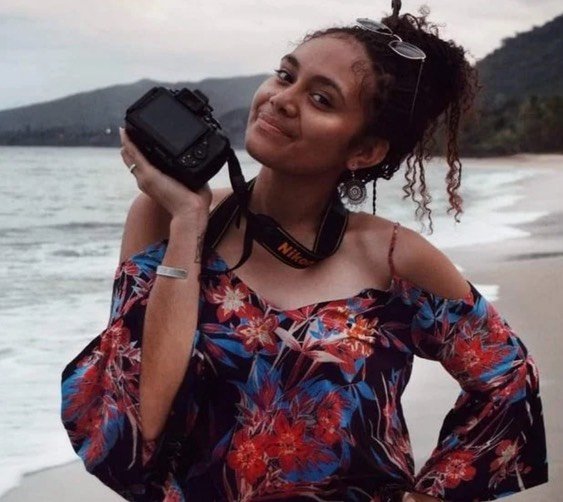
My arrival in Nouméa was difficult. I had to adopt new social codes, learn new expressions to fit in, find my bearings in the city, figure out how to take the bus, and even learn to dress differently. Changing environments didn’t make me lose sight of my passion for photography. Photography allowed me to make visible and capture moments that hold meaning for me. It is an artistic language in which I recognized myself. Photography preserves, it impacts.
When I began my master’s degree in Oceanian and Pacific Studies at UNC, I brought together my passion for photography and my academic work. During my master’s, I chose to focus on métissage in Kanak society through the lens of sociolinguistics. I observed the different challenges faced by young people who identify as mixed‑heritage within Kanak society, particularly in learning their family languages. We later collaborated with an artist named Ucidart, as well as Jorice PAITA, Akarita GELIMA, Machari GOAOUO, and Mériba KARE on a project titled Sêêdan: weaving languages. This project highlighted the ways in which young Oceanian mixed‑heritage individuals reclaim their languages and cultures.
After completing my master’s degree, I decided to pursue a PhD (eight years of higher education) in Education and Training Sciences under the supervision of Elatiana Razafimandimbimanana (UNC) and Anne‑José Villeneuve (Canada). My doctoral research (2024–2027) focuses on recognizing the plurality of students’ knowledge, including Indigenous knowledge, within the Oceanian university context. I aim to understand how we can include their languages, cultures, and artistic practices in order to strengthen their sense of belonging and success at university. The goal is to co‑design inclusive pedagogical tools with these students so they can see themselves reflected in the academic space and thrive within it.
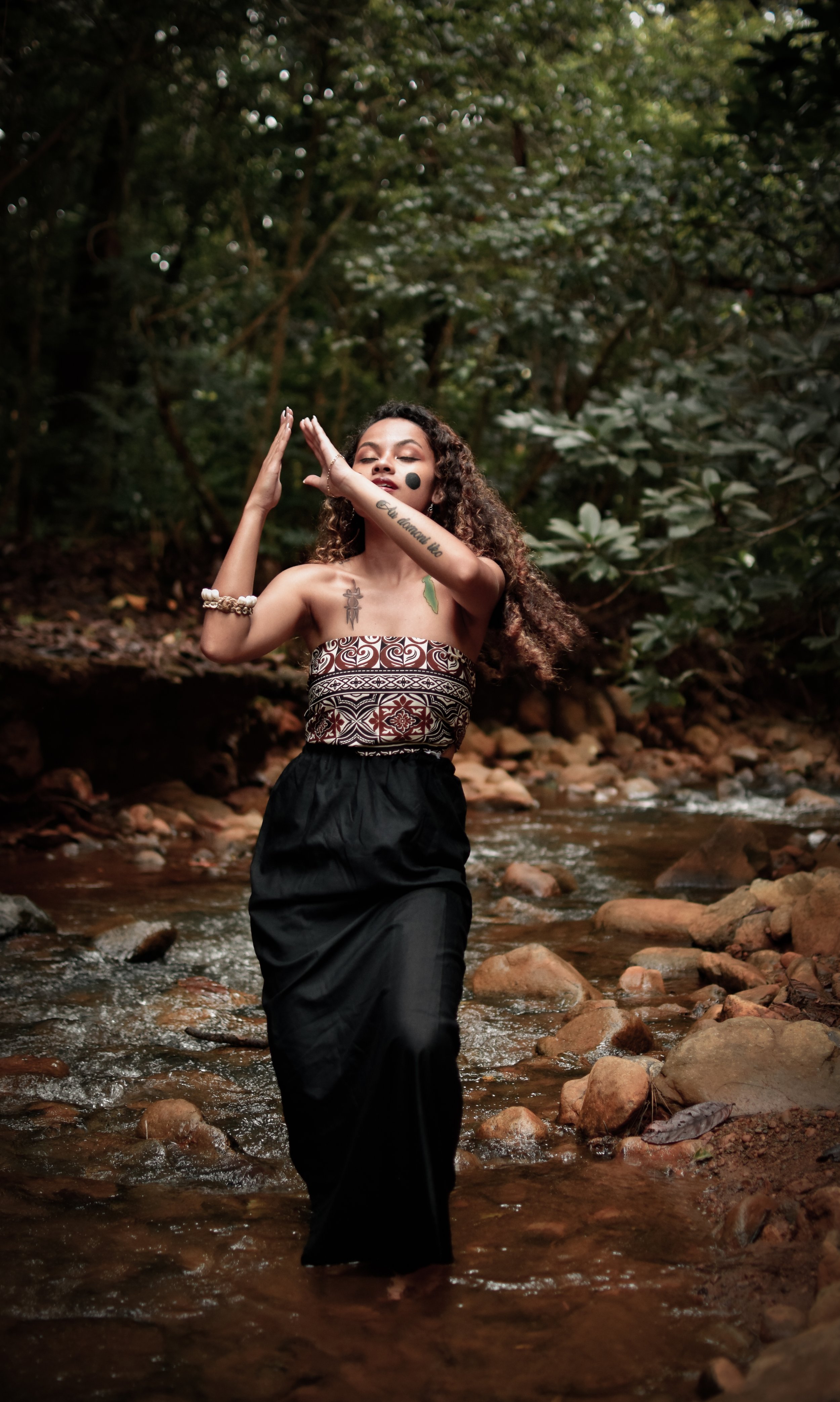
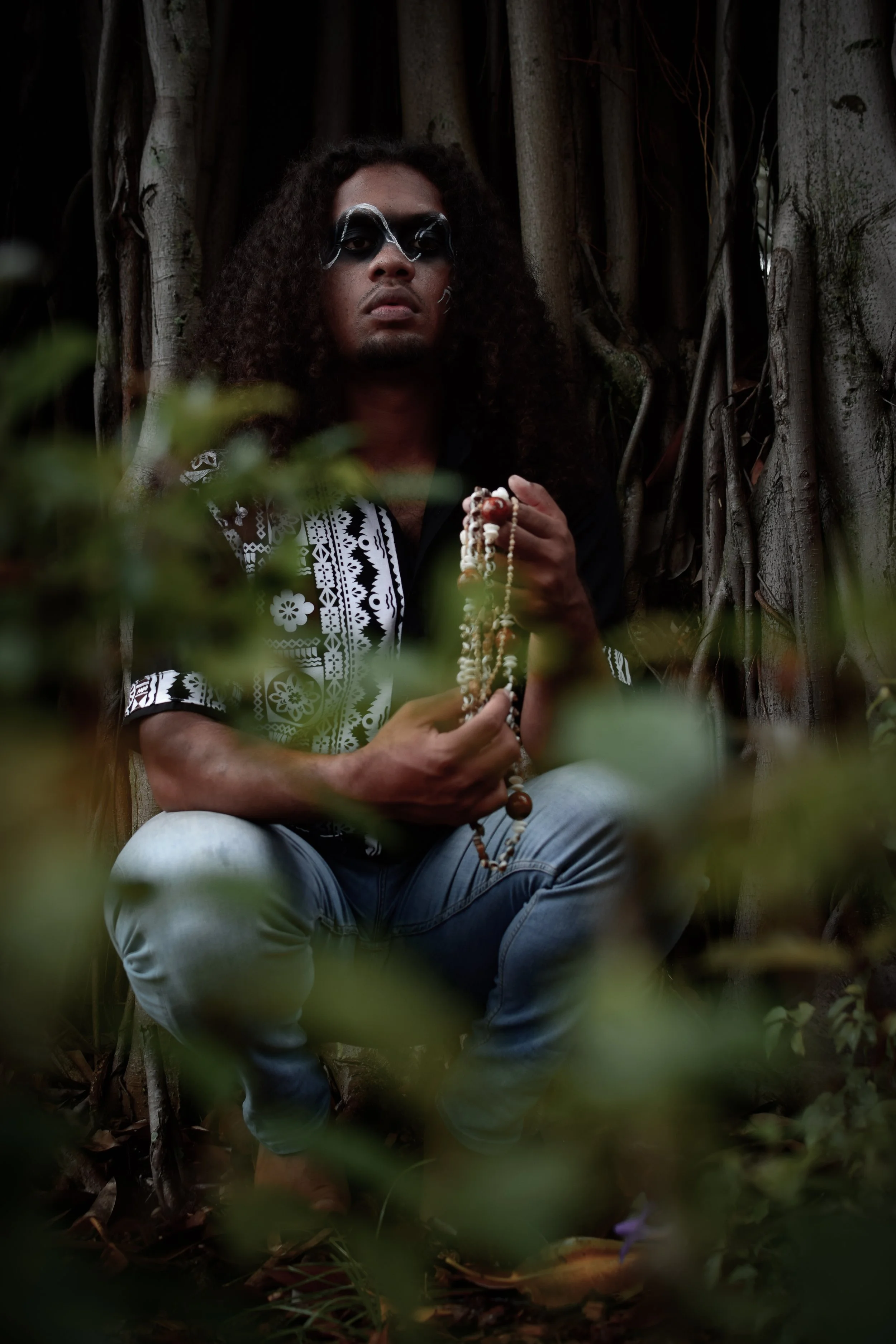
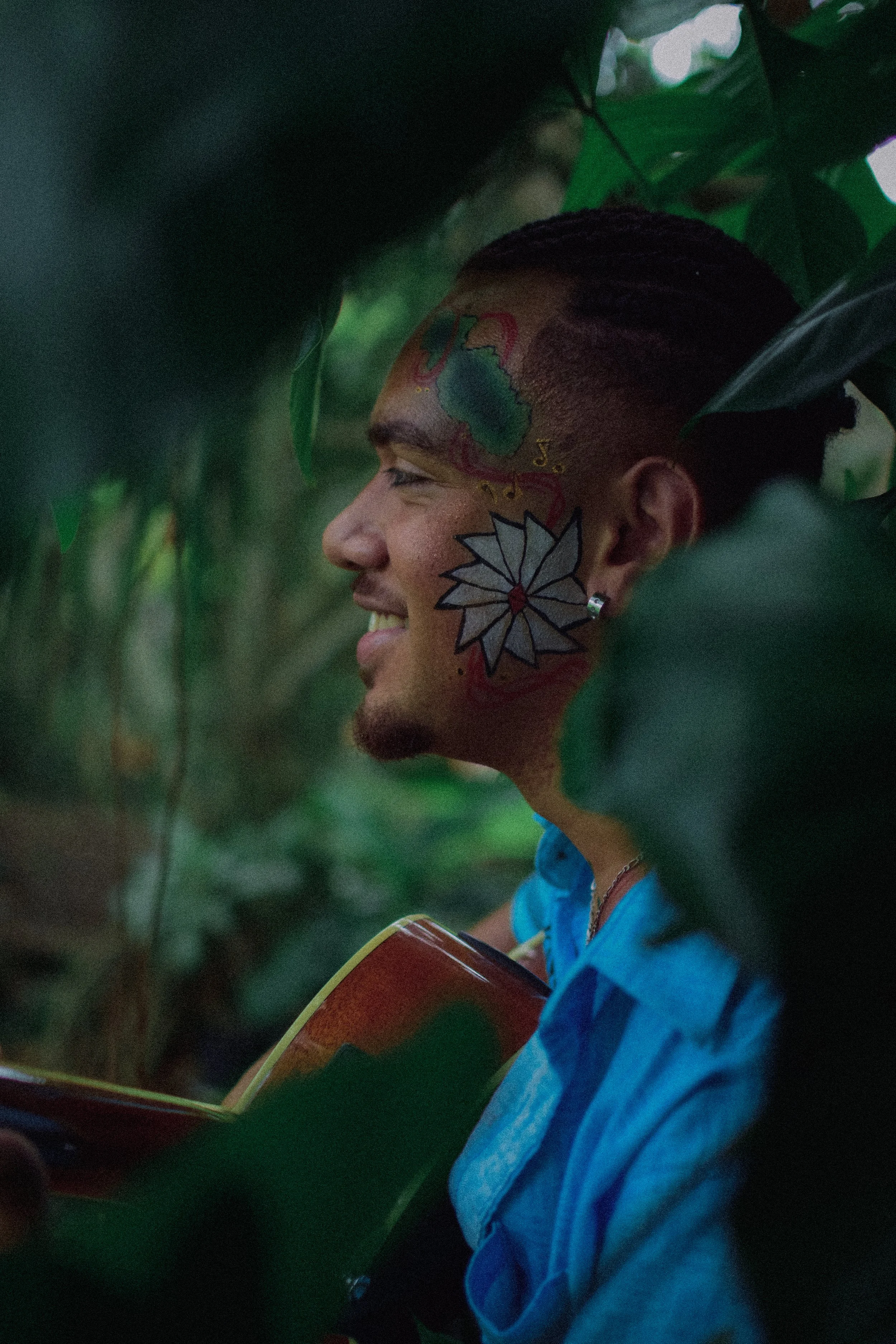
What does being Melanesian mean to you?
Being born Melanesian.
Being Melanesian is no longer limited to a skin tone or textured hair.
It means recognizing a past in which we were labeled, classified, stereotyped, colonized.
The veil is lifting.
We have chosen to be valued, emancipated, defiant, passionate, strengthened — but above all… visible.
They stole our voices and now keep silent.
It’s up to us to disrupt their comfort.
Koin